Source Plastic Water Cup for Travel, Office, and Outdoor Use
Explore 30 listings for the plastic water cup, comparing features like capacity, material, and customization options. Buyers can evaluate specifications including PP and PC construction, lid types, and portability for various applications; compare the available evidence and request quotations based on your requirements.
Key considerations
Products List




Comprehensive Sourcing Guide
Plastic Water Cup Sourcing Guide
Sourcing plastic water cups requires a nuanced understanding of material science, regulatory compliance, and supply chain logistics. Buyers must navigate a complex landscape where product attributes vary significantly based on intended use, from single-service disposable items to durable, reusable containers for sports or office environments. The core keyword "plastic water cup" encompasses a wide array of designs, including those with lids, straws, tea strainers, and specialized sealing mechanisms. Understanding these variations is critical for aligning procurement with specific operational needs, whether for hospitality, retail, or personal use.
This guide provides evidence-based procurement strategies for sourcing plastic water cups, focusing on verified product attributes and trusted industry knowledge. It addresses key decision points such as material selection, certification verification, and commercial terms. By adhering to these guidelines, buyers can mitigate risks associated with quality inconsistencies, regulatory non-compliance, and supply chain disruptions. The objective is to empower procurement professionals with the insights needed to make informed decisions that balance cost, quality, and compliance in the competitive plastic cup market.
Product Scope and Observed Listing Signals
The observed product listings reveal a diverse range of plastic water cups, characterized by varying materials, capacities, and design features. Common materials include PP (polypropylene) and PC (polycarbonate), often combined with food-contact silicone for seals and handles. Listings indicate capacities ranging from 180ml to 1200ml, with specific models featuring portable one-button opening mechanisms, lifting ropes, and multi-component assemblies like lids, handles, and tea strainers. These attributes suggest a focus on functionality and user convenience, catering to both disposable and non-disposable market segments.
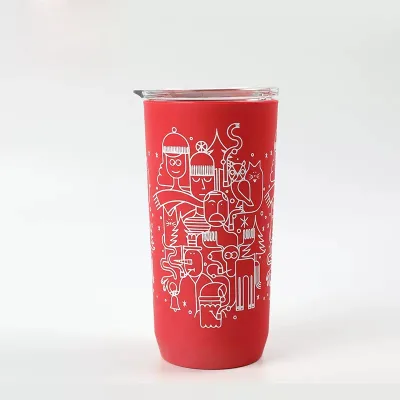
Color and style options are also prominent, with listings showing multicolor and unicolor designs, as well as simple and sporty styles. Some products are described as "fancy" or printed, indicating potential for branding or aesthetic customization. The presence of accessories like straws, suction nozzles, and handbags further expands the product scope. Buyers should carefully review these signals to identify products that match their specific requirements, paying attention to details such as cup dimensions, straw length, and packaging specifications to ensure compatibility with their distribution channels.
Technical Specifications to Verify
Verifying technical specifications is paramount to ensuring product quality and functionality. Buyers should confirm the exact material composition, particularly the type of plastic used for the cup body, lid, and other components. For instance, some listings specify PP for lids and handles, while PC is used for the cup body. It is essential to verify that all materials are food-grade and suitable for their intended use, whether hot or cold beverages. Additionally, dimensions such as cup height, diameter, and straw length should be cross-checked against product datasheets to ensure they meet design requirements and fit existing packaging or dispensing systems.
Capacity and volume standards are another critical area for verification. Listings may indicate various capacities, such as 500ml, 600ml, 950ml, or 1200ml, but buyers must confirm the actual filled volume to avoid discrepancies. Features like sealing silicone rings, lifting ropes, and one-button opening mechanisms should be tested for durability and ease of use. Packaging specifications, including carton sizes, gross weight, and units per carton, are also vital for logistics planning. Buyers should request detailed technical drawings or samples to validate these specifications before placing large orders, ensuring that the product meets all functional and logistical requirements.
Compliance and Safety Documentation
Compliance with safety standards is non-negotiable when sourcing plastic water cups, especially those intended for food and beverage contact. Buyers must verify that suppliers possess relevant certifications, such as QS and FDA, which indicate adherence to quality and safety regulations. These certifications ensure that the materials used are free from harmful substances and safe for human consumption. It is crucial to request copies of these certificates and verify their validity with the issuing authorities. Additionally, buyers should inquire about any additional testing or compliance measures implemented by the supplier, such as migration tests or heavy metal analysis, to further mitigate risks.
Beyond certifications, buyers should assess the supplier's quality management systems and traceability processes. Understanding how the supplier manages raw material sourcing, production quality control, and final product inspection is essential for ensuring consistent quality. Buyers should also consider the environmental impact of the products, particularly if sustainability is a key concern. This may involve evaluating the recyclability of the materials or the supplier's efforts to reduce waste and energy consumption during production. By prioritizing compliance and safety, buyers can protect their brand reputation and ensure customer satisfaction.
Cost Drivers and Commercial Terms
Several factors influence the cost of plastic water cups, including material prices, production complexity, and order volume. The choice of material, such as PP or PC, significantly impacts the base cost, with PC generally being more expensive than PP. Complex designs, such as those with multiple components or specialized features like one-button opening mechanisms, may also increase production costs. Buyers should negotiate based on these factors, seeking competitive pricing while maintaining quality standards. Additionally, understanding the supplier's pricing structure, including any discounts for bulk orders or long-term contracts, can help optimize procurement costs.
Commercial terms, such as MOQ (Minimum Order Quantity), lead times, and payment terms, are also critical considerations. Listings indicate a wide range of MOQs, from 1 to 1,000,000 units, allowing for flexibility in order sizes. Buyers should align their order quantities with their demand forecasts to avoid excess inventory or stockouts. Lead times can vary based on production capacity and order volume, so it is essential to establish clear timelines and communication channels with the supplier. Payment terms, such as advance payments or letters of credit, should be negotiated to balance risk and cash flow. By carefully managing these commercial terms, buyers can enhance supply chain efficiency and financial stability.
Supplier Qualification and Quality Control
Supplier qualification is a foundational step in the sourcing process, requiring a thorough assessment of the supplier's capabilities, reputation, and operational integrity. Buyers should evaluate the supplier's production facilities, equipment, and workforce to ensure they can meet quality and volume requirements. Checking the supplier's track record, including customer references and past performance, can provide valuable insights into their reliability and consistency. Additionally, buyers should verify the supplier's ability to handle customization requests, such as printing or branding, if required. This assessment helps identify suppliers who can deliver products that meet specific design and quality standards.
Quality control measures are equally important to ensure product consistency and reliability. Buyers should inquire about the supplier's quality control processes, including incoming material inspection, in-process checks, and final product testing. Understanding the supplier's defect rate and corrective action procedures is essential for managing quality risks. Buyers may also consider implementing their own quality control measures, such as third-party inspections or sample testing, to further mitigate risks. By establishing a robust supplier qualification and quality control framework, buyers can build a resilient supply chain that delivers high-quality products consistently.
Long-Term Procurement Checks
Long-term procurement success depends on continuous monitoring and evaluation of supplier performance and market dynamics. Buyers should establish key performance indicators (KPIs) to track supplier reliability, quality, and responsiveness. Regular audits and performance reviews can help identify areas for improvement and address any emerging issues promptly. Additionally, buyers should stay informed about market trends, such as changes in material costs, regulatory requirements, and consumer preferences, to adapt their sourcing strategies accordingly. This proactive approach ensures that procurement decisions remain aligned with business objectives and market conditions.
Building strong relationships with suppliers is also crucial for long-term success. Open communication, collaboration, and mutual trust can lead to better pricing, improved service, and innovative solutions. Buyers should engage in regular dialogue with suppliers to discuss performance, share feedback, and explore opportunities for improvement. Additionally, buyers should consider diversifying their supplier base to mitigate risks associated with single-source dependencies. By fostering strong supplier relationships and maintaining a flexible sourcing strategy, buyers can enhance supply chain resilience and achieve sustainable procurement outcomes.
FAQs
What materials are used for the plastic water cup body and lid?
The cup body is constructed from PC material, while the lid and handle utilize PP plastic. This combination ensures durability and safety for daily use. The sealing silicone ring and lifting rope are also integrated into the design. These materials are selected to provide a robust structure that withstands regular handling and temperature changes effectively.
Can I customize the plastic water cup with my own logo?
Yes, customization is available for this product line. Buyers can request specific designs, colors, or printed patterns to match their brand identity. The product supports both customized and non-customized options depending on the order requirements. This flexibility allows businesses to create unique merchandise that stands out in the market while maintaining high quality standards.
What certifications does the plastic water cup hold for safety?
The product holds QS and FDA certifications, ensuring it meets strict safety standards for food contact. These certifications verify that the materials used, including PP, PC, and silicone, are safe for consumer use. Buyers can rely on these credentials to ensure compliance with international regulations when sourcing these cups for distribution or retail purposes.
What are the standard capacity options for the plastic water cup?
Standard capacities include 500ml, 600ml, 950ml, 1000ml, and 1200ml variants. These sizes cater to different hydration needs, from small portable use to larger daily requirements. The product specifications list these standard volumes to help buyers select the appropriate model for their target audience or specific application needs efficiently.
How is the plastic water cup packaged for shipping?
The cups are packed in cartons with specifications varying by model, such as 60 or 100 pieces per carton. Some variants include OPP handbag packaging for individual units. The gross weight per carton is typically around 17.5kg to 24kg, depending on the specific model and packing density, ensuring secure transport and efficient logistics handling.
Is the plastic water cup designed for single-use or reusable purposes?
The product is primarily designed as non-disposable and reusable. It features a durable construction with a one-button opening mechanism for convenient portability. While some variants may be labeled disposable, the main product line emphasizes longevity and repeated use, making it suitable for daily hydration needs and environmentally conscious consumers seeking sustainable options.